Product Language
+ discourse framing
An investigation into how language impacts consumer attitudes toward eco-friendly and healthy products. I explored how linguistic framing in marketing influences consumer perceptions of eco-friendly & health products.
Field Notes
project context
A Case Study.
Institution: Portland State University
My Role: Researcher
words + frames
lexical choice activates frames
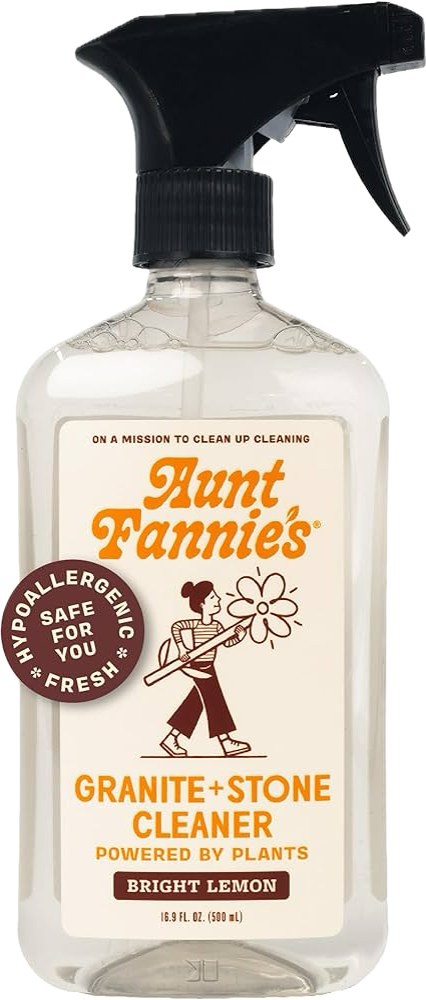
Powered by Plants > Natural & Eco-friendly
On a Mission to Clean Up Cleaning > A Conscious Purpose
Safe for You > Free from Harmful Chemicals (Implies Others Aren’t)
*Fresh* > Purity Framing
Not Just “Lemon” – *Bright* Lemon > Offers a Sense of Enlightenment
Field Notes
project context
words + frames
lexical choice activates frames
Plant Powered > Natural & Eco-friendly
Nature+ Technology > Innovation Meets Nature (wow!)
Rainforest Frog Imagery > Scientific & Moral Imperative – (Support the Rainforest and Their Frogs!)

Research Methods
Occupying the gap
Data Collection: A small corpus of advertisements for eco-friendly products, conventional cleaning products, & food advertisements was built.
Qualitative Analysis
Color Analysis & Semiotics Analysis: I examined the color schemes and accompanying imagery, shapes, & symbols to determine their role in conveying brand messaging.
Lexical Analysis: I focused on how specific lexical choices activated particular frames.
Corpus Analysis: Using COCA, I searched for collocates of key terms found in advertisements to determine the most common linguistic contexts in which these words appear.
Takeaway
+ Key insights
Every word chosen in product language serves a purpose; a good product doesn’t waste precious real estate (metaphorically speaking..).
Words activate cognitive frames within us & brand messaging uses color, typography, imagery, and lexical choice to reinforce their underlying narratives. These elements work together to sell you something: an agenda.
Corpus linguistics provides empirical support for messaging design. By examing collocates in COCA, we can compare marketing language against broader patterns of English usage to better understand how consumers are likely to interpret particular words & associations.